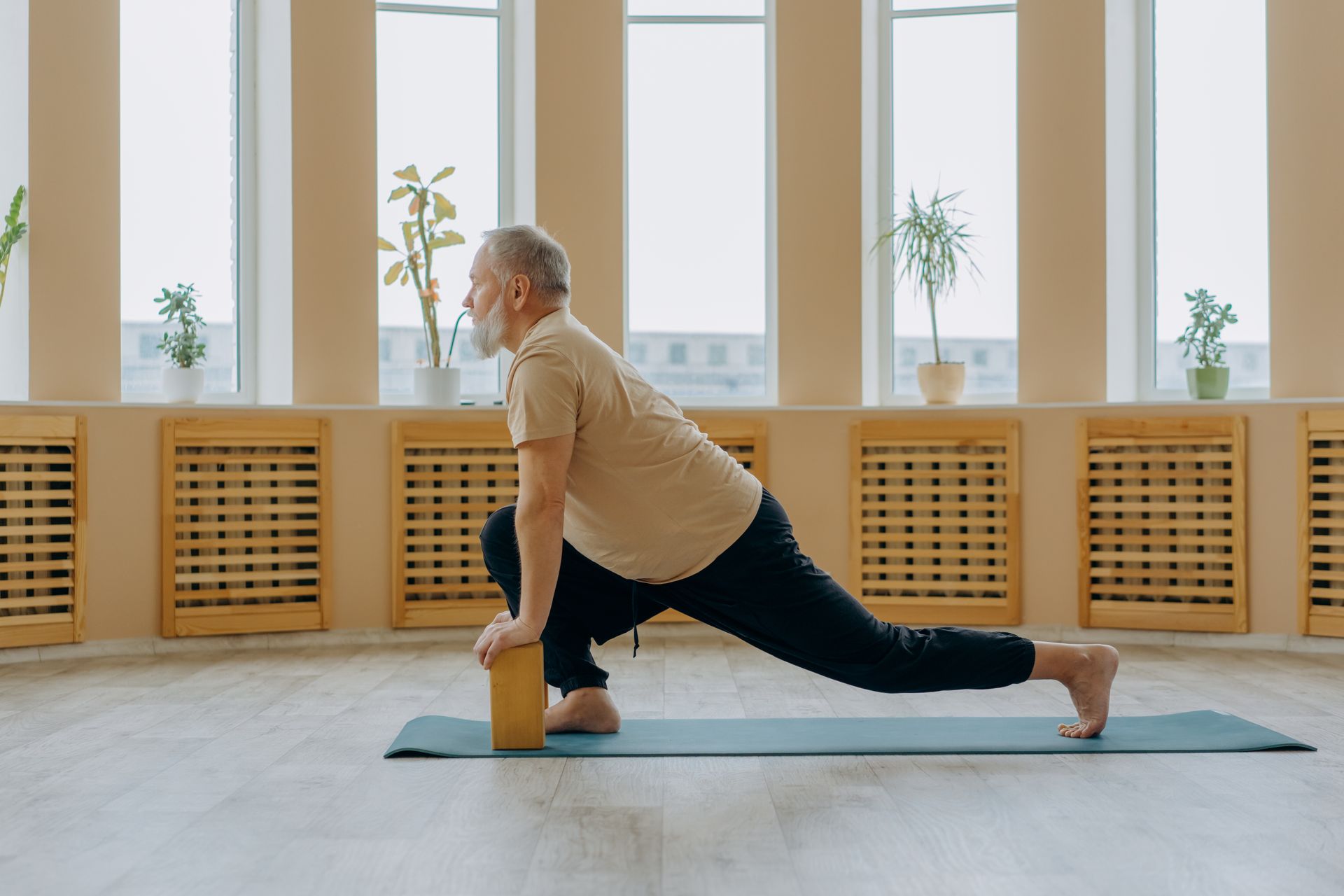
Yoga and Ayurveda: A Unified Approach to Holistic Wellbeing
Yoga and Ayurveda are often spoken about separately, but in the traditional Indian wisdom system, they are deeply connected. Both are ancient sciences that guide us towards balance, self-awareness, and a more harmonious way of living.
While Yoga is commonly known today for postures, flexibility, and breathing practices, its purpose goes much deeper. Ayurveda, often described as the science of life, helps us understand our body, mind, digestion, daily routine, and relationship with nature. Together, Yoga and Ayurveda offer a complete approach to wellbeing.
Two Sister Sciences
Yoga and Ayurveda are considered sister sciences because they share the same roots in Vedic knowledge. Both recognise that true health is not just the absence of disease, but a state of balance within the body, mind, senses, and spirit.
Ayurveda helps us understand our individual constitution, known as Prakruti, and any current imbalances, known as Vikruti. Yoga gives us tools to bring awareness, discipline, movement, breath, and stillness into our daily life.
In simple words, Ayurveda helps us understand what we need, while Yoga helps us practise it.
Ayurveda: Understanding Your Unique Nature
One of the most beautiful aspects of Ayurveda is that it does not see everyone as the same. Each person has a unique balance of the three doshas: Vata, Pitta, and Kapha.
Vata is associated with movement, air, creativity, and the nervous system.
Pitta is associated with heat, transformation, digestion, and focus.
Kapha is associated with stability, nourishment, strength, and structure.
When these doshas are balanced, we feel more grounded, energised, clear, and connected. When they become imbalanced, we may experience symptoms such as restlessness, acidity, heaviness, fatigue, dryness, inflammation, or sluggishness.
Ayurveda uses food, herbs, daily routines, seasonal living, oil practices, and lifestyle guidance to support balance.
Yoga: A Practice for Body, Mind, and Breath
Yoga supports health through movement, breath, awareness, and meditation. The physical postures, known as asanas, help build strength, flexibility, circulation, and stability. Breathing practices, known as pranayama, support the nervous system, energy, and mental clarity. Meditation and mindfulness help bring calmness and inner awareness.
Yoga is not only about what happens on the mat. It is a way of living with more awareness, moderation, compassion, and connection.
This is where Yoga and Ayurveda beautifully meet.
How Yoga and Ayurveda Work Together
Ayurveda teaches that different people need different practices. The same yoga routine may not suit everyone at all times.
For example, a person with high Vata may benefit from slow, grounding, steady yoga practices with calming breathwork. Someone with high Pitta may need cooling, gentle, non-competitive practices. A person with high Kapha may benefit from more energising, warming, and stimulating movement.
This personalised approach is what makes the combination of Yoga and Ayurveda so powerful.
Rather than forcing the body into a routine, Ayurveda helps us choose a yoga practice that supports our current state.
Yoga for Each Dosha
For Vata Balance
When Vata is high, there may be restlessness, anxiety, dryness, irregular digestion, poor sleep, or feeling scattered. A Vata-balancing yoga practice should be slow, steady, grounding, and calming.
Helpful practices may include gentle stretching, longer holds, forward folds, seated postures, and grounding breathwork. A warm and quiet environment can also help settle Vata.
For Pitta Balance
When Pitta is high, there may be heat, irritability, acidity, inflammation, sharp hunger, or a tendency to overwork. A Pitta-balancing yoga practice should be cooling, soft, and non-competitive.
Helpful practices may include gentle flows, moon salutations, cooling breathwork, twists, and restorative postures. The focus should be on relaxation rather than achievement.
For Kapha Balance
When Kapha is high, there may be heaviness, sluggishness, low motivation, congestion, or slow digestion. A Kapha-balancing yoga practice should be energising, warming, and uplifting.
Helpful practices may include sun salutations, standing postures, backbends, dynamic flows, and stronger breathing practices. Movement helps awaken energy and reduce stagnation.
The Role of Breath and Prana
Both Yoga and Ayurveda recognise the importance of prana, or life force energy. In Ayurveda, prana is essential for vitality, immunity, mental clarity, and emotional balance. In Yoga, pranayama practices help regulate and direct this life force.
Simple breathing practices can have a profound effect on the nervous system. They can help calm the mind, support digestion, improve focus, and bring awareness back to the present moment.
This is especially important in modern life, where stress, overstimulation, irregular routines, and poor sleep can disturb the natural rhythm of the body and mind.
Daily Routine: Where Yoga and Ayurveda Meet
Ayurveda places great importance on Dinacharya, or daily routine. A simple routine helps the body feel safe, balanced, and supported.
Yoga can become a beautiful part of this routine. Even a few minutes of mindful movement, breathing, or meditation in the morning can help set the tone for the day.
A supportive morning routine may include waking at a regular time, tongue scraping, drinking warm water, gentle stretching, oil massage, pranayama, meditation, and a nourishing breakfast.
It does not have to be complicated. Small, consistent practices often create the deepest change.
Living in Harmony with Nature
Both Yoga and Ayurveda encourage us to live in rhythm with nature. Ayurveda teaches us to adjust our food, routine, herbs, and self-care according to the season. Yoga teaches us to listen inwardly and practise according to our energy, breath, and state of mind.
Some days call for strength and movement. Other days call for rest and stillness. The wisdom lies in knowing the difference.
This is the shared message of Yoga and Ayurveda: listen, observe, and live with awareness.
A Holistic Approach to Wellbeing
In modern life, health is often approached in separate parts: diet, exercise, sleep, stress, digestion, and mental health. Yoga and Ayurveda remind us that everything is connected.
The way we eat affects the way we think.
The way we breathe affects the way we feel.
The way we sleep affects our digestion and energy.
The way we move affects our mind and emotions.
Together, Yoga and Ayurveda help us care for the whole person, not just one symptom or one part of life.
At Mantram Ayurveda, we believe wellness begins with small, intentional practices. By bringing Yoga and Ayurveda into daily life, we can begin to feel more balanced, grounded, and connected from within.